Introduction
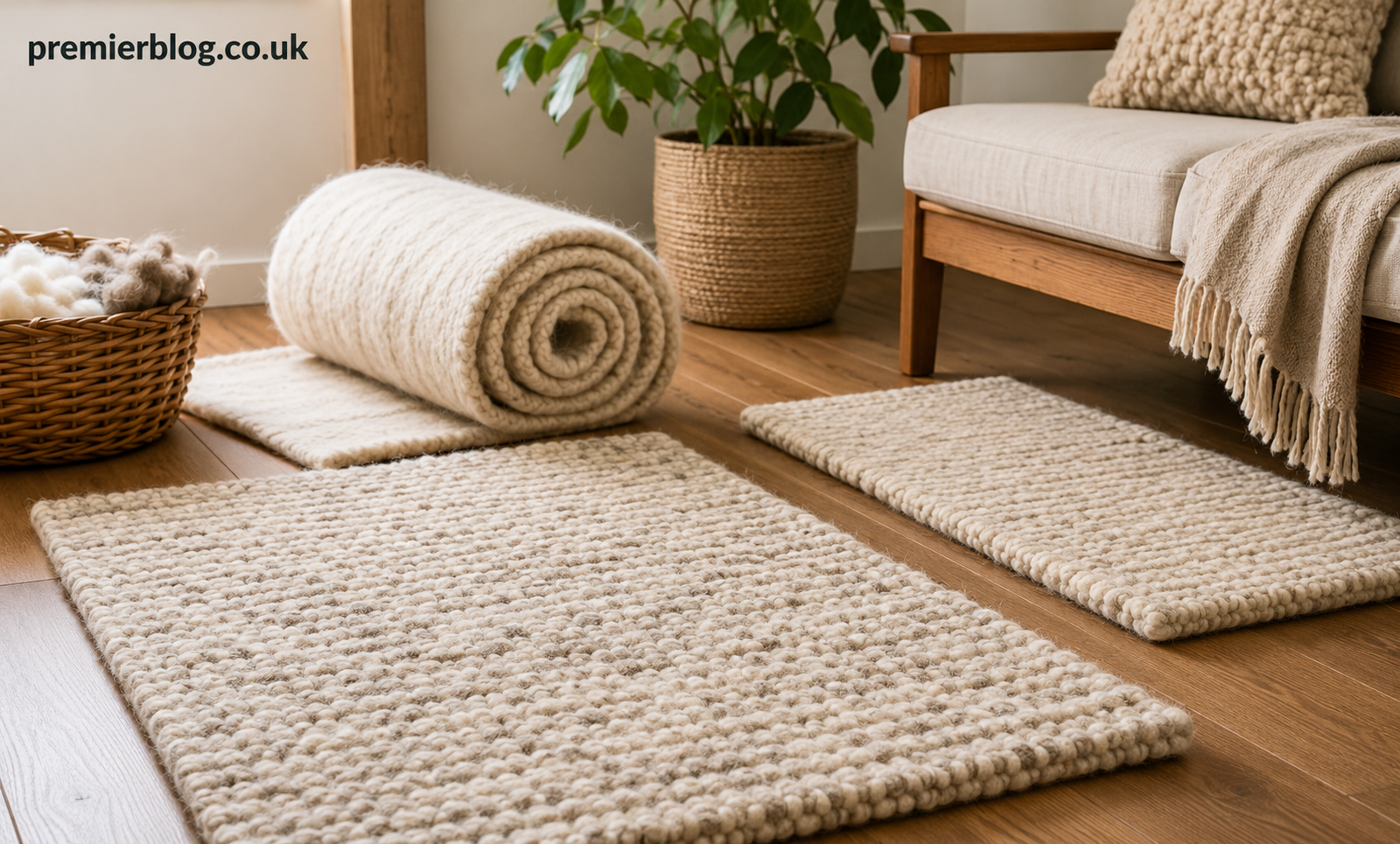
Wollmatten are wool mats made from natural wool fibers, most commonly sheep wool. The word has German roots. “Woll” relates to wool, and “Matten” means mats. In practical use, wollmatten can refer to wool-based mats used in homes, gardens, building insulation, craft work, and other everyday settings.
The subject is broader than a simple floor covering. A wool mat may be used beside a bed, under a chair, inside a wall structure, around garden plants, or on a sewing table. The form changes according to the purpose, but the basic material remains the same: wool fibers pressed, felted, woven, or bonded into a mat.
Wollmatten are valued because wool has useful natural qualities. It can provide warmth, absorb some moisture, reduce sound, feel comfortable underfoot, and break down naturally when used in soil. These qualities explain why wool mats continue to appear in home design, gardening, construction, and craft markets.
This article gives a straightforward introduction to wollmatten, including what they are, how they are made, where they are used, what benefits they offer, and what buyers should check before choosing them.
What Are Wollmatten?
Wollmatten are mats produced from wool fibers. They may be thick or thin, soft or firm, plain or textured. Some are made from pure wool, while others may include backing material, stitching, plant fibers, or other supporting layers.
A wool floor mat is usually made for comfort, warmth, and appearance. A wool insulation mat is made for thermal performance and sound control. A garden wool mat is made to sit on soil, hold moisture, reduce weeds, and slowly break down. A wool pressing mat is made for sewing and ironing tasks.
This variety can create confusion. When someone talks about wollmatten, it is important to ask what type they mean. The same word can refer to different products, but all of them share the use of wool as the main material.
How Wollmatten Are Made
The production process usually begins with raw wool. Clean wool is then processed so the fibers can be shaped into a mat.
One common method is felting. In felting, wool fibers are joined together through pressure, heat, moisture, and movement. The fibers lock into each other and form a dense surface. Another method is needle punching, where special needles push the fibers together repeatedly until the mat becomes stable.
Some wool mats are woven from wool yarn. These are often used as rugs or floor coverings. Others are pressed into sheets or rolls for insulation or gardening. The method affects the texture, strength, flexibility, and durability of the mat.
A well-made wool mat should hold its shape and match its purpose. A floor mat should not fall apart under normal foot traffic. An insulation mat should fit properly into the space where it is installed. A garden mat should allow water and air to pass through while still covering the soil.
Wollmatten for Home Use
In homes, wollmatten are mostly used as floor mats, rugs, or comfort layers. They can be placed in bedrooms, living rooms, reading corners, hallways, and workspaces. Their main role is to create a warmer and softer surface.
Wool mats are useful on hard floors such as tile, wood, stone, concrete, or laminate. They reduce the cold feeling of direct floor contact and can make a room feel quieter. In rooms with hard surfaces, sound can bounce easily. A wool mat helps absorb some of that sound.
They are also useful in areas where people sit, walk, or stand often. A mat near a bed, sofa, desk, or chair can make daily movement more comfortable. However, placement matters. Wool mats are not always the best choice for very wet areas, muddy entrances, or spaces where spills are frequent.
Wollmatten as Insulation
Wool mats can also be used as insulation material in buildings. In this form, they are usually produced as rolls, panels, or flexible sheets. They may be installed in walls, roofs, floors, timber frames, or attic spaces.
Wool fibers trap air, and trapped air slows heat movement. This helps indoor spaces stay warmer in cold weather and more stable in changing temperatures. Wool insulation can also help reduce sound movement between rooms or from outside noise.
Another point often linked with wool insulation is moisture handling. Wool can absorb and release moisture from the air. This does not mean it is waterproof, and it does not remove the need for proper building design. Leaks, trapped dampness, and poor ventilation can damage any insulation material.
For building use, buyers should not choose random wool mats. They should check product ratings, fire safety, pest treatment, thickness, density, and local building requirements. Insulation must be installed correctly to work safely and effectively.
Wollmatten in Gardening
In gardening, wollmatten are often used as mulch mats or plant protection mats. They may be placed around vegetables, flowers, shrubs, or young trees.
A wool garden mat can help slow moisture loss from the soil. This is useful during dry periods because the soil may stay damp for longer. It can also reduce weed growth by blocking light from reaching weed seeds. At the same time, water can still pass through the mat.
Wool can also provide a light insulation layer for plant roots. It helps protect the soil surface from sudden temperature changes. Over time, natural wool breaks down and adds organic matter to the soil.
Gardeners should still use wool mats carefully. They should not be packed too tightly around stems. In very wet areas, they should be checked to avoid moisture problems near delicate plants. In windy locations, they may need pins or stones to keep them in place.
Wollmatten for Crafts and Sewing
Wollmatten are also common in sewing, quilting, needle felting, and ironing work. A wool pressing mat gives a firm surface for pressing seams and fabric pieces. It holds heat well, which helps fabric press more evenly.
Quilters often use wool mats because they can make seams flatter and more controlled. People who do small sewing projects may use them on a table instead of setting up a full ironing board. Needle felting workers also use wool mats as a surface for shaping wool fibers.
For craft use, density matters. A mat that is too soft may not give enough support. A mat that sheds too much fiber may become frustrating. A good craft wool mat should be firm, flat, and suitable for repeated use.
Benefits of Wollmatten
The first benefit of wollmatten is warmth. Wool naturally helps reduce heat loss, which makes it useful in floor coverings and insulation. In a home, even a simple wool mat can make a cold floor feel more comfortable.
The second benefit is moisture regulation. Wool can absorb some moisture and release it later when conditions change. This makes it different from many synthetic materials. However, wool should still be dried properly and protected from long-term dampness.
The third benefit is sound reduction. Dense wool mats can soften footstep noise and reduce echo in a room. This is useful in apartments, offices, bedrooms, and living areas.
The fourth benefit is comfort. Wool has a natural softness and spring that makes it comfortable underfoot. Good-quality wool mats can stay useful for years if they are cleaned and cared for properly.
The fifth benefit is environmental value. Wool is renewable because sheep grow fleece repeatedly. Natural wool can also biodegrade under suitable conditions, especially in garden use.
Limitations of Wollmatten
Wollmatten are useful, but they are not perfect for every situation. One limitation is cost. Wool products often cost more than basic synthetic mats. The price depends on wool quality, size, thickness, production method, and finishing.
Another limitation is maintenance. Wool needs more careful cleaning than some synthetic materials. Harsh chemicals, rough brushing, soaking, and poor drying can damage the fibers. Some wool mats may need professional cleaning.
Moisture is another issue. Wool can handle humidity, but repeated soaking or long-term dampness can create odor, shrinking, or damage. This is why wool mats should be used carefully in bathrooms, kitchens, outdoor areas, or entrances.
Pests can also be a concern, especially for stored wool products. Moths may damage wool if mats are kept in dark, unused spaces without protection. Regular cleaning and proper storage help reduce this risk.
How to Choose Wollmatten
Choosing the right wollmatten starts with the purpose. A buyer should first decide whether the mat is needed for flooring, insulation, gardening, or craft work. Each use requires different thickness, density, and construction.
For home flooring, check size, texture, backing, edge finishing, and cleaning instructions. A mat for a busy hallway should be stronger than one placed beside a bed. A non-slip layer may be needed on smooth floors.
For insulation, check technical details such as thickness, thermal rating, fire treatment, pest resistance, and installation guidelines. Building materials should meet local requirements.
For gardening, look at mat shape, thickness, biodegradability, and water movement. Some mats are sold as round plant collars, while others come in rolls that can be cut.
For craft work, choose a firm and flat mat that can handle heat or repeated needle use, depending on the task.
Cleaning and Care
Wollmatten last longer when they are maintained properly. Floor mats should be vacuumed regularly and shaken outdoors when possible. Dust and grit can wear down fibers over time.
Spills should be cleaned quickly. The best method is usually blotting, not rubbing. Rubbing can push the stain deeper or damage the surface. Wool-safe cleaners are better than strong detergents.
Indoor wool mats should be aired from time to time. This helps reduce odor and moisture buildup. They should not be stored in damp rooms. If a wool mat is stored for a long period, it should be clean and dry first.
Garden wool mats need less care because they are meant to work with soil. They may need repositioning, securing, or replacement as they break down.
Conclusion
Wollmatten are wool-based mats used in homes, gardens, buildings, and craft spaces. They can work as floor coverings, insulation layers, mulch mats, pressing mats, or felting surfaces. Their value comes from the natural qualities of wool, including warmth, moisture handling, comfort, sound reduction, and biodegradability.
A practical view of wollmatten is simple. They are useful when the right type is chosen for the right job. A decorative mat should not be used as building insulation. A garden mat should not be expected to behave like an indoor rug. A craft mat should be firm enough for its specific task.
Buyers should check material quality, thickness, care needs, and intended use before making a decision. Wollmatten can be long-lasting and practical, but they need proper selection and maintenance.
In the end, wollmatten are not only decorative products. They are functional wool mats with several real uses. Whether placed in a room, installed in a building, laid around plants, or used on a sewing table, they show how one natural material can serve many everyday needs.